HEALING BEYOND THE CONSULTING ROOM
Global Impact
I have always believed that healing belongs in more places than the rooms where we formally practice it.
Some of the work closest to my heart has taken me far from home and into communities building with what they have, for the people already beside them. What they taught me changed the way I understand service.
The work began before I arrived.
Months before I landed, I met remotely with the leaders of a small treatment center for addiction in South Africa, and together we designed an aftercare program for one of the townships while my host there gathered volunteers.
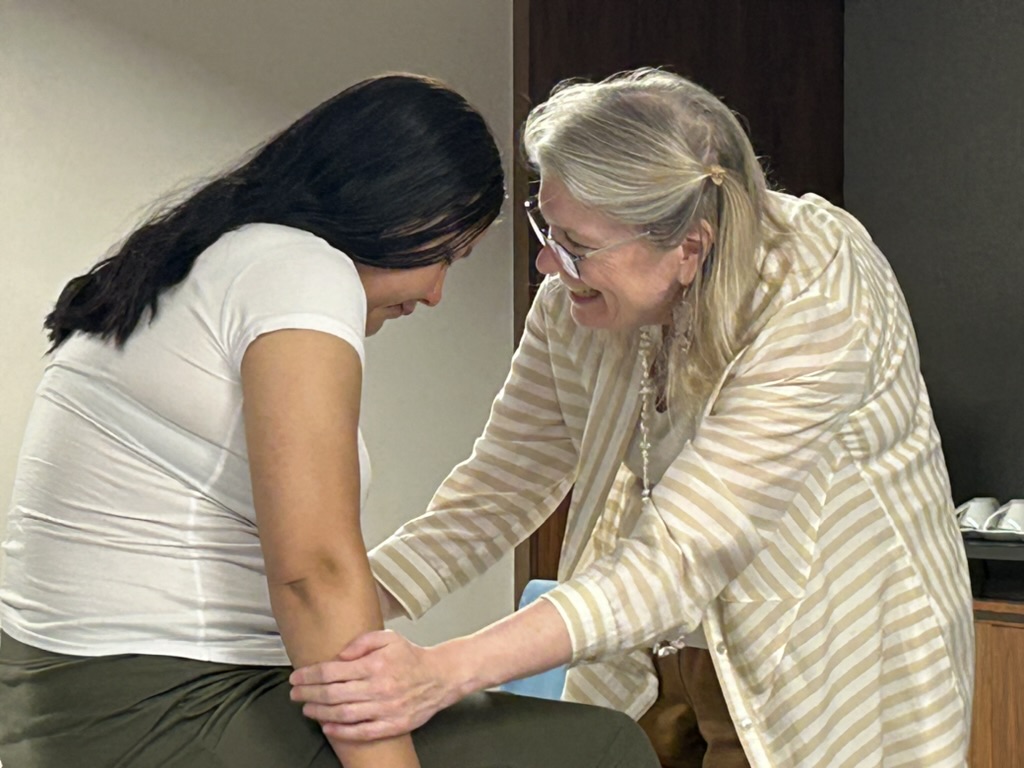
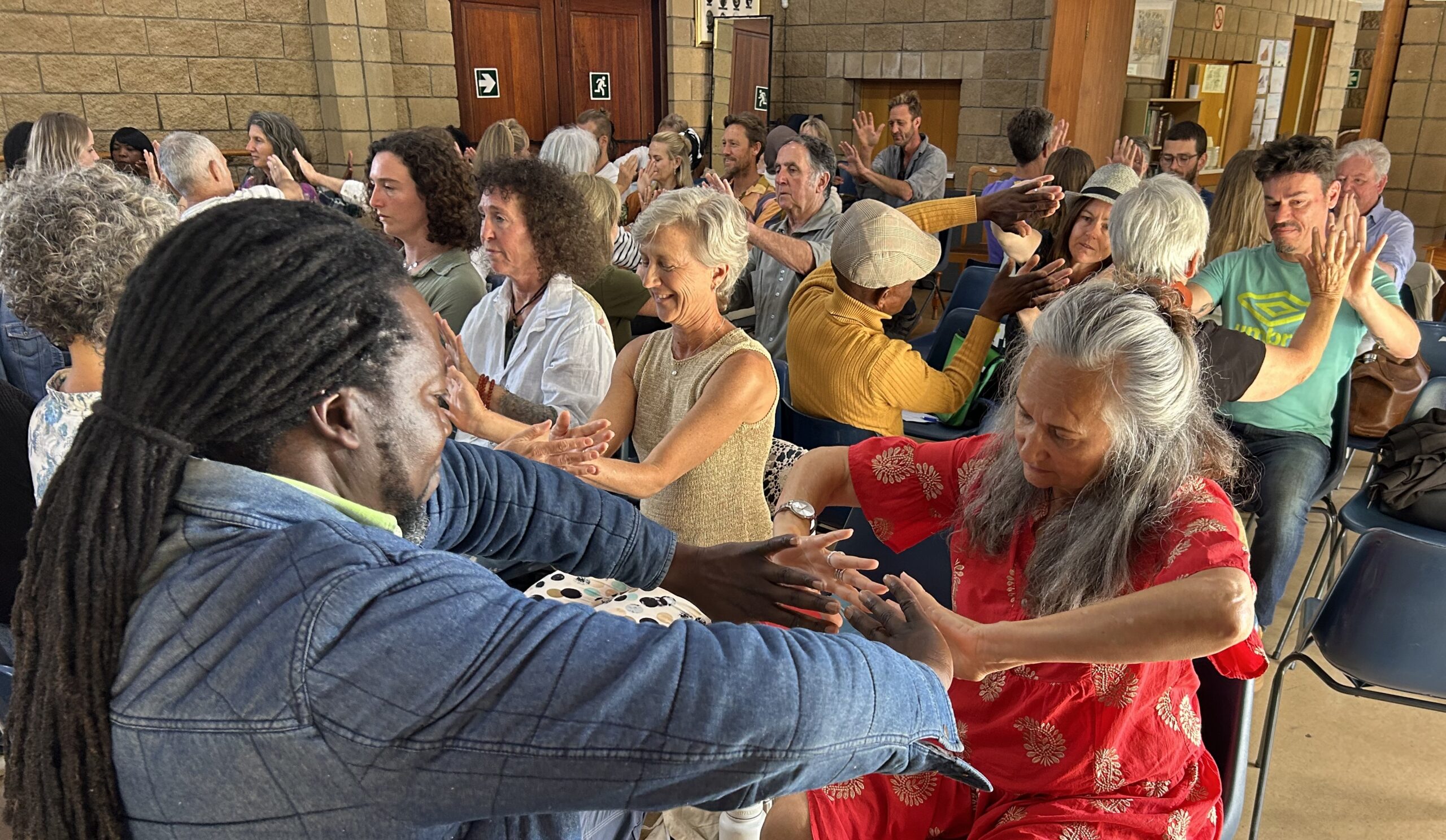
In the fall of 2024, I arrived. My first stretch went to the leadership of the treatment center in Johannesburg. They worked long days alongside people carrying heavy trauma histories, and they carried the strain of it home in their own bodies. We worked with trauma-informed care inside an attachment frame, and I taught them a sound program in the same season its newer protocol came into use. Two of them recorded what the work did for them, and their words carry further than mine ever will.
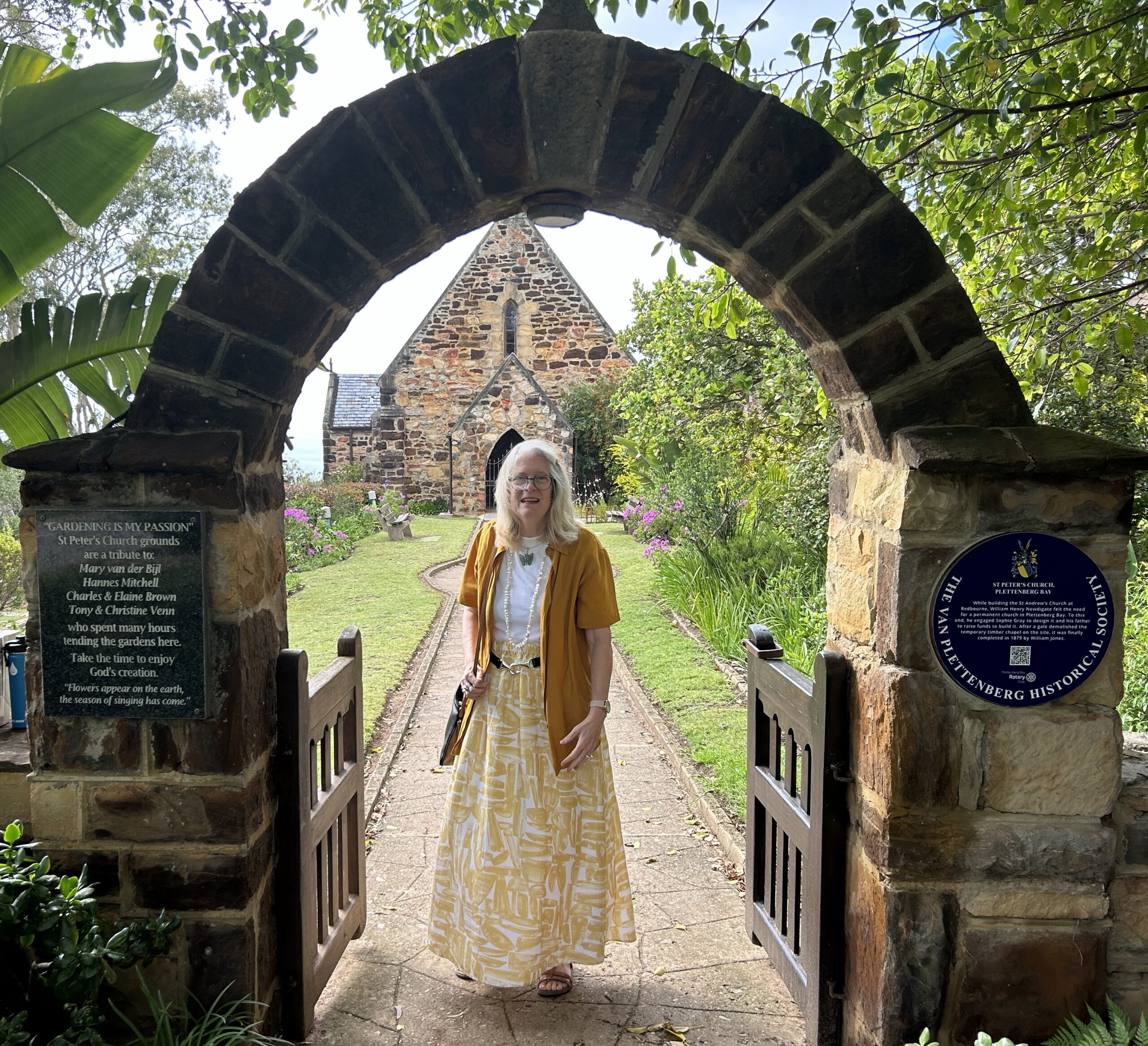
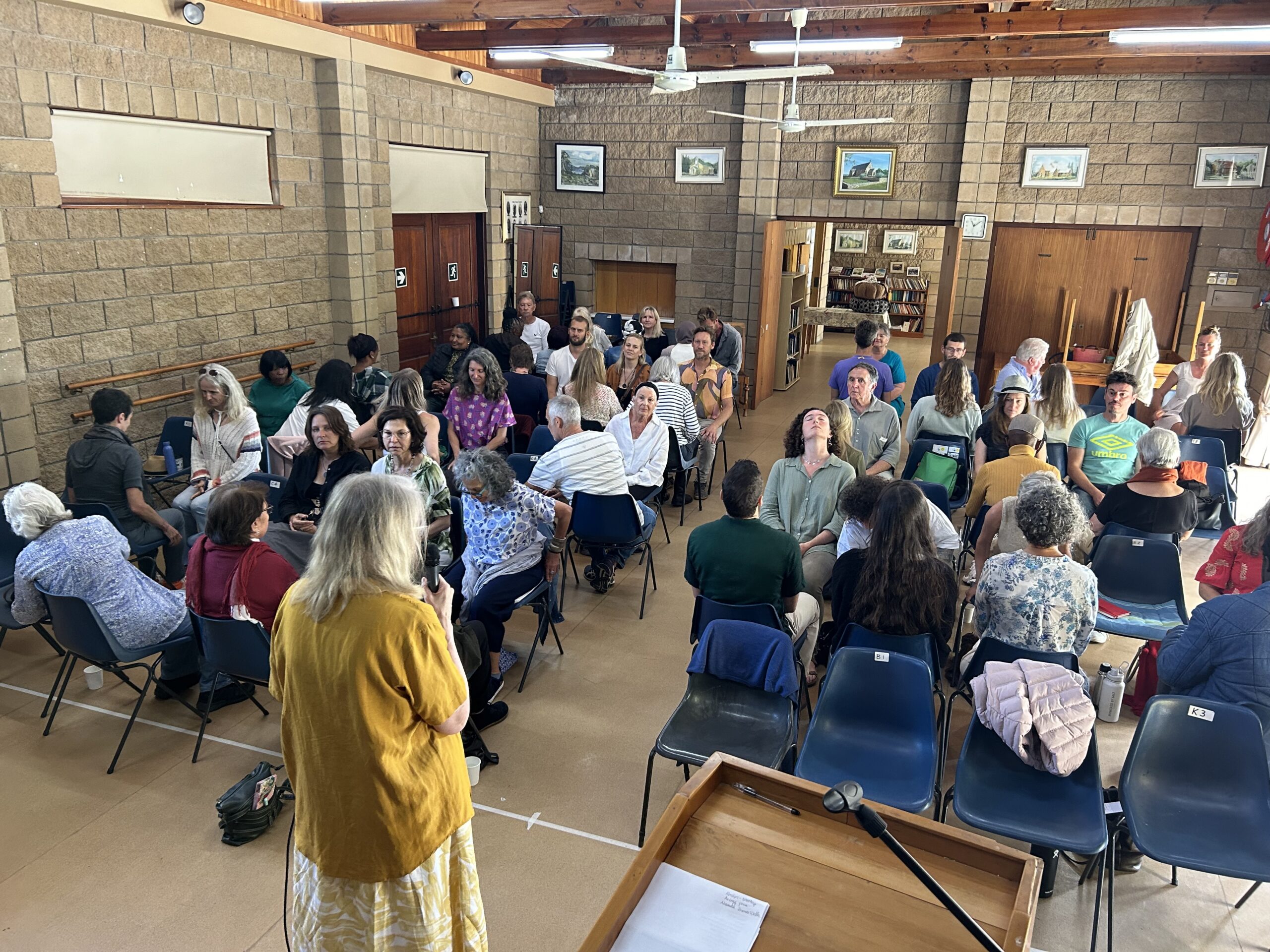
From there I flew south to George and worked in Plettenberg Bay and the townships nearby, speaking to rooms of very different means. Then came a week living close to the people building the aftercare themselves. They built what they had hands for. Gardens on the church grounds, sewing circles, a parenting group meeting in the afternoons. A week of travel followed, and then I flew home.
The next six months happened virtually. I stayed with the township leaders and with several of the treatment center leaders through the struggles arriving in work of this kind. Most of the township programs closed before the six-month mark, since volunteers with families to feed went back to paid work. Some men and women returned to substance usage. The community lost heart for a season. Anyone working in this field knows this story, and community healing wears a thin coat in a season of storms.
We measure success not by the failures, but by the strength of those who heal. A man named Tembo came all the way through. He took every training my son and I offer, and he mentors to other inside nonprofits now while his own study continues. A woman there prays for her township one person at a time and gathers the parents whenever discouragement settles in, leading from a faith asking her whole community to stand. Others hold their new ground of sobriety quietly. One person standing like that inside a township reaches further than any program I could design from Virginia.
Legacy shows itself in what holds after the teacher leaves the room, and much of my life now goes toward the organizations doing that holding.
Healing stories keep surfacing and they still amaze me. The ones falling away still grieve me. New openings arrive anyway, and I keep saying yes.
Supporting Meeting Me Foundation
I serve as a founding board member of the Meeting Me Foundation, a young organization working on emotional health in South Africa. The name says the aim. A person meets herself first, and the rest of a life follows from that meeting. We are building the programs, the partnerships, and the early bones of an organization meant to reach people living far from any mental health care. Watching an organization take its first breath asks something close to parenting.
At the heart of the Foundation is a belief that meaningful support should not belong only to those with the resources to find it. We support the people doing the healing work too, strengthening practitioners and community organizations through training, practical tools, partnerships, and carefully chosen funding. The hope is to build something that can take root in a community and keep growing in the hands of the people already there.
Supporting Afrika Tikkun
Part of my work is rooted in legacy, belonging, healing and the belief that meaningful change must reach beyond our own lives. Afrika Tikkun is one of the organisations I am proud to support because its work reflects that kind of living legacy in action.
Founded in South Africa, Afrika Tikkun walks alongside children and young people from early childhood through education, skills development and access to opportunity. Its Cradle-to-Career 360° model recognises that young people do not thrive through one intervention alone. They need care, safety, learning, confidence, nourishment and pathways into the future.
I have seen and supported this work because I believe in its integrity, its long-term commitment to young people and its understanding that communities are strengthened when children are given the chance to become who they are meant to be.
For US-based donors, gifts can be made through Afrika Tikkun USA. Your support helps sustain practical, holistic programmes that invest in South Africa’s next generation.
Supporting Innisfree Village
Closer to home, Innisfree Village sits in the hills outside Charlottesville, a community where adults with intellectual and developmental disabilities live and work alongside volunteers who share the daily round with them. Bread gets baked. Gardens get tended. Art gets made. Dignity lives in the rhythm of an ordinary day held in common.
Innisfree calls this lifesharing. The adults who live there are known as coworkers, and everyone has something to contribute. People cook meals together, tend the land, make things with their hands, learn new skills, and share the work of daily life. The idea is not simply to care for someone, but to build a life alongside one another, with room for each person’s gifts, individuality, and belonging.
There is something about that way of living that stays with me. Care becomes less about who is helping whom and more about what becomes possible when people are needed, known, and given a place to contribute. Innisfree has been tending that kind of community since 1971.
Supporting Lunchbox Theatre
In South Africa, Lunchbox Theatre uses something children already understand instinctively: story, play, and imagination. Through interactive theatre, they bring environmental and social issues to life in ways that invite children not simply to listen, but to take part, respond, and discover something for themselves.
Their work rests on the belief that creativity can be a powerful teacher. Performances build awareness of the world we share and our responsibility to one another, while giving emerging artists opportunities to develop their own gifts. There is joy in the way they do it. Children laugh and participate, and somewhere inside the play, an idea has a chance to take root.
I am drawn to work that does not separate learning from relationship, creativity, or the life of a community. Lunchbox Theatre reminds me that meaningful change does not always begin with a lesson. Sometimes it begins with a story that catches a child’s imagination and travels home with them.